At a Glance
An old wood-burning fireplace often becomes a major source of frustration for homeowners. While traditional masonry fireplaces look classic, they are notoriously inefficient draft factories that pull warm air out of your living room and send it straight up the chimney.
You end up spending hours hauling heavy logs, cleaning up messy ash, and dealing with stubborn smoke just to get a minimal amount of actual warmth in return.
Leaving an inefficient fireplace unaddressed means you continue losing money on your winter heating bills every single month. Cold downdrafts can make your entire living area feel uncomfortable, forcing your central furnace to work twice as hard to keep up.
At Fireside Appliance, we solve this common household problem by providing premium gas Fireplace inserts that turn drafty old hearths into powerful, localized heat sources. This comprehensive guide covers the critical factors you need to evaluate, from proper dimensions and venting types to fuel options and performance metrics.
Upgrade Your Home Heating Today
Discover our complete lineup of premium gas inserts and schedule an expert consultation to find the perfect fit for your masonry fireplace.
Why Upgrading to a Gas Fireplace Insert Makes Sense
Many homeowners confuse a full gas fireplace insert with a simple set of gas logs. A set of gas logs is primarily a decorative feature that sits inside an open fireplace, meaning most of the heat still escapes right up your open chimney flue. A true gas fireplace insert is a fully sealed, heavy-duty steel or cast iron box that slides directly into your existing fireplace opening, creating a closed combustion system that radiates intense heat back into your room.
Transitioning to this type of sealed unit significantly boosts your overall home heating efficiency. Traditional wood fireplaces lose up to 90% of their heat through the chimney, whereas a modern gas insert retains up to 85% of that heat inside your living space. This makes them exceptional tools for zone heating solutions, which allows you to turn down your central thermostat and heat only the specific room where your family spends the most time.
Making this upgrade also eliminates the continuous structural and safety hazards associated with burning real wood. Creosote buildup in a chimney is a leading cause of dangerous house fires, requiring expensive annual cleanings and regular maintenance checks. With a gas-powered unit, you get instant, clean warmth at the push of a button without any smoke, sparks, soot, or lingering odor in your rugs and furniture.
Modern units offer incredible flexibility and fit seamlessly into almost any home design. You can choose from a wide variety of realistic ceramic log sets that mimic traditional oak or birch, or you can select modern glass media for a sleek, contemporary look. Here are some of the immediate benefits you experience when making the switch:
- Reduces monthly winter heating costs by utilizing efficient zone heating tactics.
- Eliminated the physical labor of buying, hauling, splitting, and storing heavy firewood.
- Prevents cold exterior drafts from entering the home through an unsealed chimney flue.
- Provides reliable backup heating that operates even during a total electrical power outage.
Gas Fireplace Insert Pros and Cons
Investing in a premium hearth upgrade brings immense long-term value to your living space while introducing a few distinct practical considerations. Looking at both sides of the coin guarantees you choose the right system for your lifestyle and budget.
Pros
Provides high heating efficiency that lowers overall utility consumption during cold seasons.
Offers ultimate daily convenience with instant remote control or wall switch operation.
Enhances indoor air quality by keeping combustion exhaust entirely sealed away from your air.
Requires minimal annual maintenance compared to messy, traditional wood-burning alternatives.
Cons
Demands a higher upfront investment for the unit and the specialized liner equipment.
Requires professional fireplace installation to run gas lines and satisfy safety building codes.
Requires a continuous supply of natural gas or liquid propane to operate the burners.
3 Things to Know Before Buying a Gas Fireplace Insert
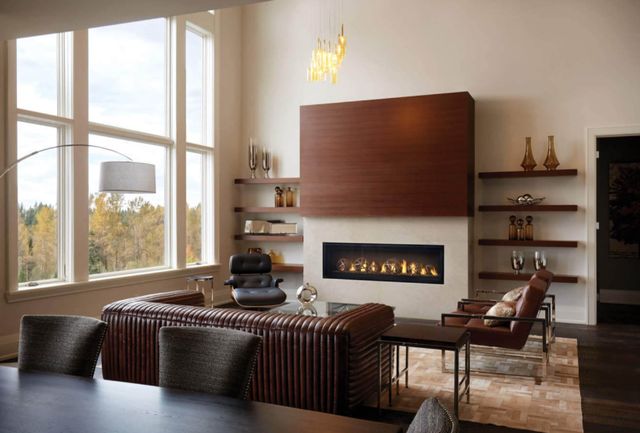
Selecting the perfect heating unit requires more than just picking a style that looks good in a showroom. You must evaluate how the unit interacts with your current home structure and fuel access to guarantee a smooth and successful project.
1. Fireplace Dimensions and Structural Compatibility
The absolute first step in your buying journey is capturing precise measurements of your existing fireplace opening. Because these units are designed to slide directly inside your current hearth, a variance of even half an inch can prevent a unit from fitting properly. You need to measure the front opening width and height, the total interior depth, and the width of the back wall, as most fireboxes taper inward toward the rear.
When measuring the depth, pay close attention to any obstructions like protruding brickwork or old damper hardware that might get in the way of a flush fit. It is also important to identify whether you have a traditional masonry brick fireplace or a factory-built zero-clearance fireplace. Zero-clearance units are pre-fabricated metal boxes that have different weight and venting restrictions compared to heavy, solid stone masonry structures.
Professional installers also need to check the condition of your existing chimney structure before any equipment arrives. The interior brick and mortar must be structurally sound to support the weight of the new flexible aluminum venting liners that will run up to your roof. To make this process completely stress-free, our team provides comprehensive in-home consultations to verify your dimensions and confirm structural readiness.
2. Direct Vent vs. B-Vent vs. Vent-Free Gas Inserts
Understanding your fireplace venting options helps you choose the right gas fireplace insert for your home, safety needs, and heating goals.
Direct Vent Gas Inserts
A direct vent gas insert uses a sealed system that pulls fresh air from outside and vents exhaust gases outdoors.
- Strong indoor air quality protection
- Efficient, sealed performance
- Helps prevent drafts
- Often the most recommended option
B-Vent Gas Inserts
A B-vent gas insert vents through an existing chimney but uses indoor air for combustion.
- Uses your chimney flue
- Creates a realistic flame look
- Less efficient than direct vent models
- Requires a working chimney
Vent-Free Gas Inserts
A vent-free gas insert does not need a chimney or exterior vent and sends heat directly into the room.
- High heat output
- No chimney required
- Subject to local building codes
- May raise moisture or air quality concerns
3. Professional Installation and Fuel Types
Modifying any appliance that deals with live gas lines and active combustion requires specialized skills and licensing. Professional fireplace installation is necessary to correctly run a new natural gas or liquid propane line directly into your firebox structure. A certified technician knows exactly how to pressure-test these lines to prevent dangerous leaks and ensure long-term operational safety.
Trained professionals also handle the complex mechanical connections needed to maximize your unit's performance. This includes installing the flexible aluminum liners through your existing flue and mounting the exterior termination cap on your roof to prevent water intrusion. They also manage the electrical wiring needed to power the fireplace insert blower, which is the internal fan system that actively pushes warm air out into your living room.
Working with an independent retailer guarantees that your installation complies with all local municipal permits and fire safety codes. Attempting a DIY installation can void your manufacturer warranty and potentially complicate your home insurance coverage. Our expert installation teams manage the entire process from start to finish, ensuring your new unit operates flawlessly and safely from day one.
Comparing Venting Options for Gas Fireplace Inserts
| Venting Type | Air Quality Impact | Heating Efficiency | Installation Complexity | Flame Realism | Safety Rating |
|---|---|---|---|---|---|
| Direct Vent | Fully sealed loop protects indoor air | High thermal performance | Moderate liner installation | Excellent realistic look | Highest industry safety |
| B-Vent | Uses indoor room air for burning | Moderate thermal performance | Standard chimney utilization | Highly realistic movement | Standard venting safety |
| Vent-Free | Pushes moisture into the living room | Maximum thermal output | Low no chimney required | Smaller fixed flame style | Regulated by local code |
Understanding Heat Output and Energy Efficiency
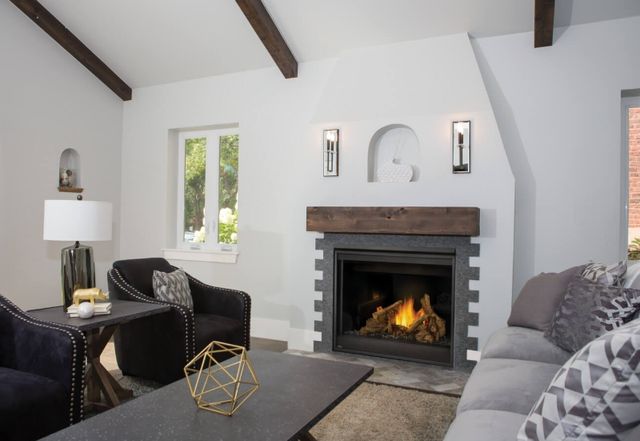
Reading the performance stickers on a heating appliance can feel overwhelming if you do not know what the numbers mean. The primary metric used to measure heat output is British Thermal Units, commonly known as BTUs. This number tells you exactly how much heat energy the unit can produce in an hour, which directly dictates the size of the room the appliance can effectively warm up.
To find the right size for your home, a general rule of thumb is to look for a unit that provides roughly 30 to 35 BTUs for every square foot of space in your room. For example, if you are looking to heat a 400-square-foot living room, a unit rated between 12,000 and 14,000 BTUs will keep the area comfortable without overheating the space. Buying a unit that is too large will force you to constantly turn it off, while an undersized unit will run continuously without ever getting the room warm.
When evaluating long-term operational costs, you need to look closely at the AFUE rating, which stands for Annual Fuel Utilization Efficiency. This percentage tells you how much of the fuel consumed is actually turned into usable heat for your home versus how much is wasted. A unit with an 80% AFUE rating converts 80% of the gas into warmth, while the remaining 20% is lost through the venting system. Choosing a high AFUE rating saves you a significant amount of money on your monthly winter utility bills.
The final piece of the comfort puzzle is the fireplace insert blower motor. While the metal body of the insert will naturally radiate heat outward, an integrated blower uses an electric fan to pull cold air from the floor, pass it over the hot heat exchanger, and push it deep into your living room. Look for units that offer variable speed blowers, which allow you to control the fan speed and manage the background noise level to match your preference.
Premium Gas Fireplace Inserts Recommended by Experts
Upgrading an outdated hearth with a premium heating appliance changes how you use your living space during the coldest months of the year. Our showroom features top-tier models engineered to provide outstanding thermal output and realistic flame presentations. We have carefully vetted these top recommendations for their long-term structural reliability, premium materials, and exceptional heating performance.
Montigo Delray 72 Linear Direct Vent Natural Gas Fireplace
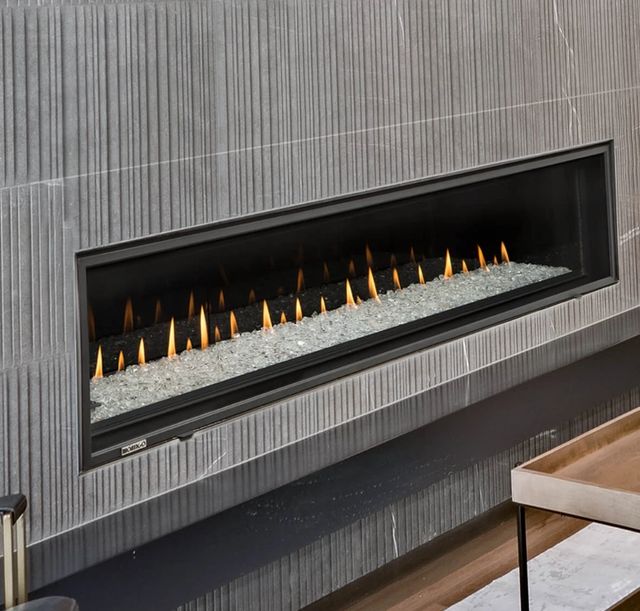
This expansive linear direct vent unit brings a bold, modern look to homes looking for a high-capacity heating upgrade. The massive 72-inch viewing area offers an uninterrupted view of a beautiful, dancing flame pattern that makes a dramatic statement in large living areas. It features a fully loaded control system that lets you manage the flame height, accent lighting, and heat output directly from a convenient remote control. Its sealed combustion design keeps your indoor air pristine while delivering consistent, high-efficiency warmth throughout the winter season.
Top Features
- [Full Load Control System]: Allows you to adjust the flame modulation, internal lighting, and fan speeds with ultimate precision.
- [Linear Flame Burner]: Creates a continuous, elegant line of fire that distributes heat evenly across wide room configurations.
- [Direct Vent Technology]: Utilizes outside air for combustion to preserve your home indoor air quality and maximize efficiency.
Napoleon Elevation X 42 Direct Vent Natural Gas Fireplace
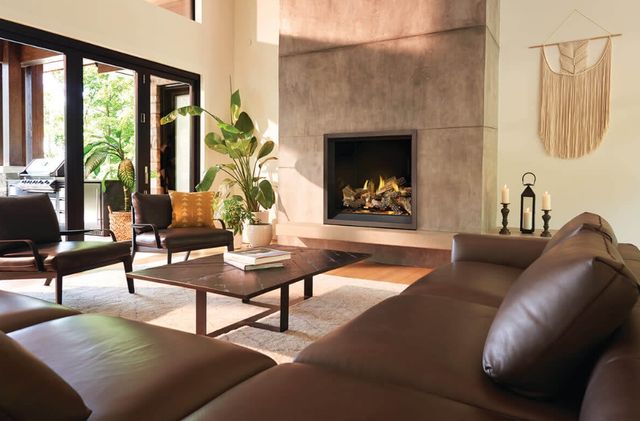
This deeply recessed direct vent model provides a highly authentic, traditional hearth experience with all the benefits of modern gas engineering. The clean-face design allows your surround materials to come right to the edge of the glass, perfectly mimicking a classic open masonry fireplace. It features a realistic glowing log set and an advanced electronic ignition system that ensures reliable startup even during local power outages. The intense heat output easily warms up large family rooms while maintaining excellent fuel efficiency ratings.
Top Features
- [Dynamic Heat Control]: Directs excess heat to other rooms in the house to customize your comfort zones.
- [Electronic Ignition System]: Guarantees a safe and immediate startup every time with a built-in battery backup for emergencies.
- [Realistic Log Presentation]: Features hand-painted ceramic logs that replicate the exact look and glow of a real wood fire.
Astria Allume DLX 60 Linear Direct Vent Gas Fireplace
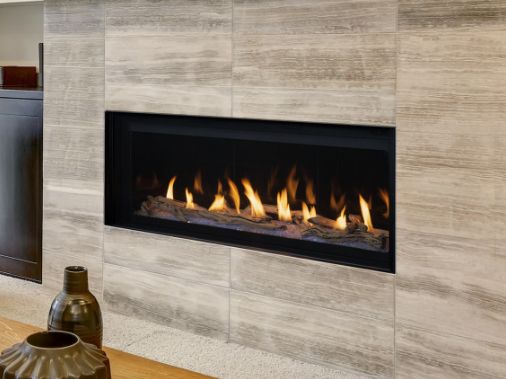
This sleek, 60-inch linear unit offers an exceptional balance of contemporary styling and high-performance room warming. The low-profile design fits beautifully underneath wall-mounted televisions, making it a favorite choice for modern media room renovations. It incorporates multi-colored LED floor lighting that enhances the mood of your room even when the gas burners are completely turned off. The heavy-duty heat exchanger maximizes every BTU of natural gas, providing a rapid rise in temperature across your open-concept living zones.
Top Features
- [Infra-Red Remote Control]: Gives you complete command over the thermostat settings, timer functions, and lighting styles from your couch.
- [Mood-Enhancing LED Media]: Features customizable under-bed lighting options to match the aesthetic of your home decor.
- [High-Efficiency Heat Output]: Uses advanced engineering to extract maximum warmth while minimizing fuel consumption.
Majestic Echelon II 72 See Through Direct Vent Fireplace
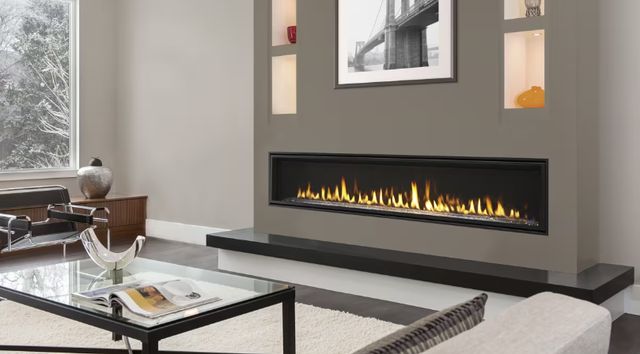
This incredible see-through direct vent unit allows you to share beautiful fire views and comforting warmth between two adjacent rooms simultaneously. It acts as an architectural focal point, connecting a master bedroom to a bath or a living room to a dining area. The premium reflective black glass interior panels reflect the flames to create an illusion of depth and a massive fire presentation. Its robust engineering guarantees consistent air circulation and heat management across both shared living spaces.
Top Features
- [See-Through Architecture]: Connects two distinct rooms visually while providing balanced heat distribution to both sides.
- [Reflective Glass Liners]: Mirrors the active flames to create a fuller, deeper visual display inside the combustion chamber.
- [Intelligent Fireplace Control]: Monitors active components constantly to ensure safe operation and provide quick diagnostic feedback.
Regency City Series Santa Monica 60 Pier Direct Vent Gas Fireplace
This three-sided pier model offers an unhindered view of the fire from multiple angles, making it a spectacular divider for modern open floor plans. The innovative cool-wall design allows you to hang artwork or mount expensive electronics directly above the fireplace without risking heat damage. It incorporates a whisper-quiet internal fan system that moves warm air smoothly into the room without any distracting mechanical background noise. The premium materials and precision construction guarantee that this unit remains a reliable centerpiece for decades.
Top Features
- [Three-Sided Pier Design]: Offers a stunning three-sided panoramic view of the flames to maximize visual impact across open spaces.
- [Cool Wall Technology]: Keeps the exterior wall surfaces safe to touch, allowing for flexible television and artwork placement.
- [Silent Blower Integration]: Circulates heated air throughout your room utilizing a whisper-quiet variable speed fan system.
Add Warmth and Style with a Gas Fireplace Insert
Upgrading your drafty home requires a careful evaluation of your fireplace dimensions, your ideal venting choice, and the necessity of a certified installation setup. Taking the time to understand these key factors guarantees that you choose a system that keeps your family warm and safe for decades.
Visit Fireside Appliance today to explore our complete selection of premium gas Fireplace inserts and speak with our experienced professionals. Our team provides expert showroom guidance, comprehensive installation support, and dedicated local customer service, giving you access to top-tier brands that you will never find sitting on the shelves of big-box hardware stores.
Frequently Asked Questions about Gas Fireplace Inserts
A gas fireplace insert is engineered to provide powerful zone heating for specific rooms rather than acting as a central heating system for an entire home. It effectively warms up large, open-concept living areas up to 1,000 square feet, allowing you to turn down your main furnace and reduce your overall heating bills.
Direct vent and B-vent gas fireplace insert models require an existing chimney structure to run their specialized aluminum exhaust liners safely up to the roof line. Only vent-free models can operate without a traditional chimney, although they remain subject to specific local building code restrictions and room ventilation rules.
A high-quality gas fireplace insert easily lasts between 15 and 20 years when it receives regular cleanings and professional checkups. The heavy-duty steel combustion chambers and premium ceramic burner components are built to withstand decades of continuous seasonal use.
Vent-free gas fireplace insert models are safe when they are sized correctly for your room volume and equipped with factory-installed oxygen depletion sensors. However, you must check your local municipal building codes before buying, as some states and cities completely ban vent-free appliances due to air quality concerns.
The primary gas burners and the safety pilot system inside a gas fireplace insert do not require household electricity to ignite or provide heat. However, you will need a standard electrical connection if you want to run the internal blower fan or use specialized multi-colored LED accent lights.
The total investment for a professional installation typically ranges from 1,500 to 3,500 dollars beyond the cost of the actual unit itself. This expense covers running new gas lines, pulling flexible liners through the chimney, hooking up electrical power, and securing the necessary local building permits.
Why Trust Fireside Appliance?
Fireside Appliance, family-owned and operated since 1978, stands as Southern California’s premier destination for high-end kitchen appliances, luxury fireplaces, and outdoor living solutions. With over 45 years of expertise, we offer an unmatched inventory—backed by our 70,000 sq. ft. warehouse—ensuring that the latest innovations in designer appliances and professional-grade grills are always in stock and ready for your home. Built on a foundation of "treating you like family," we combine everyday discounted pricing and a 60-day price match guarantee with personalized service that spans from initial design to expert delivery and installation. Our CSLB-certified team collaborates with homeowners, builders, and design professionals to discover products that perfectly align with your budget and aesthetic, making us the reliable partner for transforming your indoor and outdoor spaces.
Shop Quality Kitchen Ranges in Southern California
At Fireside Appliance, we are dedicated to providing the ultimate appliance shopping experience across Los Angeles, the San Fernando Valley, and the Conejo Valley. Trust Fireside Appliance for unbeatable quality, expert technical guidance, and ongoing support that continues long after your project is complete. Call us to learn more about the best range for your kitchen, or visit one of our designer showrooms in Woodland Hills, West Hollywood, Thousand Oaks, or Chatsworth today!