At a Glance
Quick answer: A gas dryer costs about $50 to $100 more to buy than a comparable electric dryer, but it is usually cheaper to run per load and dries clothes faster. If your laundry room already has a gas line, gas is typically the better long-term value. If your home only has a 240-volt dryer outlet, an electric dryer is the more cost-effective choice, and it is the only option if you need a ventless or heat pump dryer.
When your old dryer quits, you are left with a pile of damp clothes and one big decision: gas or electric? Pick the wrong one and you could pay higher utility bills for the next decade, or face an expensive electrician or plumber visit before you run your first load.
This guide compares electric dryers and gas dryers on purchase price, operating cost, drying speed, installation requirements, and lifespan. You will also learn how heat pump dryers fit in and which top-rated models our Fireside Appliance experts recommend, so you can choose the right dryer for your home and budget.
Upgrade Your Laundry Room Today
Browse our wide selection of gas, electric, and heat pump dryers from LG, Samsung, Bosch, Speed Queen, and more.
Explore DryersHow Do Gas and Electric Dryers Work?
The main difference between a gas dryer and an electric dryer is how each one creates heat. An electric dryer passes electricity through metal heating coils, which get hot much like a toaster. A gas dryer uses a burner fueled by natural gas or liquid propane. An igniter lights the gas, and the flame heats the air that flows through the drum.
Gas dryer heat output is measured in BTUs, and most residential gas dryers produce around 20,000 to 22,000 BTUs per hour. Electric dryer energy use is measured in kilowatt-hours (kWh). Both types still need electricity: a gas dryer uses a standard 120-volt connection to turn the drum, run the blower fan, and power the controls.
This difference explains why performance varies. A gas burner reaches full heat within seconds, while electric coils take a few minutes to reach peak temperature. That faster start is a key reason gas dryers tend to finish loads sooner.
Gas vs Electric Dryer Cost: Purchase Price vs. Long-Term Operating Cost
Gas dryers cost more upfront. Expect to pay about $50 to $100 more for the gas version of the same model and series. The premium covers the gas valve, burner, and ignition system inside the machine.
How Long Does It Take a Gas Dryer to Pay for Itself?
In most regions, natural gas costs less than electricity for the same amount of drying heat, so a gas dryer usually costs less to run per load. Those savings typically recover the higher purchase price within about two to five years, depending on how many loads you run each week. Large families who do laundry daily will reach the payback point fastest.
How Local Utility Rates Change the Math
Where you live makes a big difference. Southern California electricity rates are among the highest in the country, which makes running an electric dryer noticeably more expensive here than the national average. For many Los Angeles and Ventura County homeowners, a gas dryer means meaningfully lower monthly bills. The exception is homes with solar panels, which can offset much of an electric dryer's energy use. Compare your own gas and electric rates before deciding.
Gas vs Electric Dryer Comparison Chart
| Feature | Gas Dryer | Electric Dryer |
|---|---|---|
| Heat Source | Natural gas or propane burner | Electric heating coils |
| Average Purchase Price | $700 - $1,200 | $600 - $1,100 |
| Estimated Cost per Load | Lower (approx. $0.15/load) | Higher (approx. $0.35/load) |
| Drying Speed | Faster (heats in seconds) | Moderate (slower warm-up) |
| Installation | 120-volt outlet + gas line | 240-volt dryer outlet |
| Average Lifespan | 13 - 15 years | 11 - 14 years |
Do Gas Dryers Dry Faster Than Electric Dryers?
Yes. Gas dryers generally dry clothes faster than electric dryers because the burner reaches high temperature almost immediately, so the drum starts removing moisture right away. On a typical load, a gas dryer can finish about 10 to 15 minutes sooner than a comparable electric model.
- Faster Heating: A gas burner reaches peak heat in seconds, while electric coils take several minutes.
- Fabric Care: Shorter cycles mean less tumbling time, which reduces wear on your clothes.
- Less Over-Drying: Finishing sooner helps prevent over-drying, a common cause of static cling and shrinkage.
- Moisture Sensors: Many modern electric dryers use moisture sensors to end the cycle as soon as clothes are dry, which narrows the speed gap with gas.
Both dryer types finish with a cool-down phase that tumbles clothes without heat to reduce wrinkles. Because gas dryers run hotter, this phase is especially important for bringing fabric temperature down safely.
Installation Requirements: What Your Laundry Room Needs for a Gas or Electric Dryer
Before you buy, confirm which hookups your laundry room already has. This single factor often decides between gas and electric.
Electric Dryer Requirements
An electric dryer needs a dedicated 240-volt dryer outlet, which is larger than a standard wall outlet and usually has three or four prongs. Newer homes typically have the four-prong version. If your laundry room only has a standard 120-volt outlet, you will need a licensed electrician to install a 240-volt circuit.
Gas Dryer Requirements
A gas dryer needs two connections: a standard 120-volt outlet to power the drum motor and controls, and a dedicated gas line with an accessible shut-off valve. If your laundry room does not already have a gas line, running a new one can cost more than the dryer itself. Gas dryers ship set up for natural gas; homes that use propane need an LP conversion kit installed by a qualified technician.
Venting Requirements
Every gas dryer must vent to the outdoors to safely exhaust moisture and combustion byproducts such as carbon monoxide. There are no ventless gas dryers. Standard electric dryers also vent outdoors, but ventless condenser and heat pump models are available for spaces without an exterior vent. For gas installations, we also recommend a sediment trap (also called a drip leg) on the gas line to keep debris out of the dryer's gas valve.
Heat Pump Dryers: The Energy-Efficient Electric Alternative
If you want an electric dryer but are concerned about energy costs, consider a heat pump dryer. Instead of a heating coil, a heat pump dryer works like a refrigerator in reverse: it uses a compressor to heat and recirculate the air inside the drum.
Heat pump dryers are ventless. They condense moisture from your clothes into water that drains away or collects in a reservoir, so no exterior vent is needed. That makes them a strong fit for condos, apartments, and laundry closets where venting is impractical. They can use up to about 50% less energy than a standard electric dryer.
The trade-off is speed. Heat pump dryers run at lower temperatures, so cycles take longer. The gentler heat is easier on fabrics, so if you value energy savings and fabric care over fast turnaround, a heat pump dryer is an excellent choice.
Gas vs Electric Dryer Pros and Cons
The choice comes down to what matters more to you: a lower price today or lower bills over time. Here are the main advantages and drawbacks of choosing a gas dryer.
Gas Dryer Pros
Lower Operating Cost
Costs less per load than electric in most regions, including Southern California.
Faster Drying
Heats up in seconds, so loads typically finish 10 to 15 minutes sooner.
Gentler on Clothes
Shorter cycles mean less tumbling, less over-drying, and less static.
Longer Lifespan
Often lasts 13 to 15 years, slightly longer than the average electric dryer.
Standard Power Outlet
Plugs into a standard 120-volt outlet; no 240-volt circuit required.
Gas Dryer Cons
Higher Upfront Cost
Costs about $50 to $100 more than the same model in electric.
Gas Line Required
Needs a dedicated gas line, which can be costly to add if you don't have one.
Repair Costs
Gas valve and igniter repairs can cost more and require a qualified technician.
Outdoor Venting Required
Must vent outside for safety; there are no ventless gas dryers.
Fuel Availability
Not an option without natural gas or propane service; propane needs a conversion kit.
Electric dryer pros and cons at a glance: Electric dryers cost less to buy, install anywhere with a 240-volt outlet, involve no on-site combustion, and are available in ventless condenser and heat pump versions. The trade-offs are a higher cost per load, especially at Southern California electricity rates, and slightly longer drying times than gas.
Top-Rated Gas and Electric Dryers at Fireside Appliance
The best dryer balances capacity, efficiency, and the features you will actually use. Whether you need a large drum for king-size comforters or a compact ventless unit for a tight closet, these top-rated gas and electric dryers from LG, Bosch, Samsung, and Speed Queen are customer favorites at our Southern California showrooms.
LG 7.4 Cu. Ft. White Front Load Electric Dryer
Best for: Large households with heavy weekly laundry. This LG electric dryer's 7.4 cubic foot capacity lets you dry more per load, which means fewer cycles and less time in the laundry room. Its sensor dry technology monitors moisture throughout the cycle and stops when clothes are dry, preventing heat damage and keeping energy use down.
Top Features
- Sensor Dry System: Automatically adjusts drying time based on moisture levels.
- FlowSense Duct Clogging Indicator: Alerts you when the vent needs cleaning for better safety and efficiency.
- Wrinkle Care Option: Tumbles the load periodically after the cycle to prevent wrinkles.
Shop the Bosch Electric Dryers
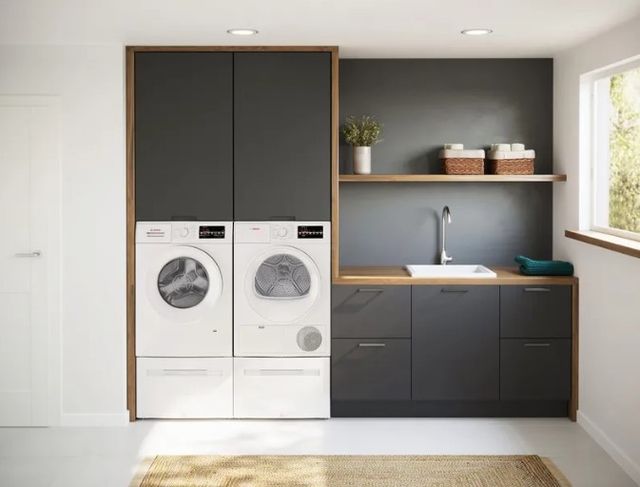
Bosch 300 Series 24" White Front Load Electric Dryer
Best for: Condos, apartments, and small laundry closets. This compact Bosch 300 Series dryer is a ventless condensation dryer, so it needs no exterior duct and can be installed in closets or under a counter. Its 24-inch footprint fits tight layouts, and it runs quietly while drying delicate fabrics gently.
Top Features
- Ventless Drying: No external ductwork required for installation.
- Sensitive Drying System: Uses warm, mild air to dry clothes gently.
- Quiet Operation: Anti-vibration side walls reduce noise and vibration.
Shop the Samsung Electric Dryers
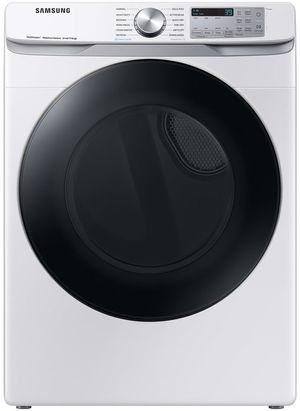
Samsung 7.5 Cu. Ft. White Front Load Electric Dryer
Best for: Busy families who want versatility. This Samsung electric dryer's 7.5 cubic foot drum handles large loads easily, and its specialty cycles include a quick dry option for when you need one outfit ready fast. An interior drum light helps you spot stray socks before you close the door.
Top Features
- Large Capacity: Fits more laundry per load to cut total drying time.
- Flexible Venting: Multiple venting directions to fit different laundry room layouts.
- Moisture Sensors: Ends the cycle when clothes are dry to save energy.
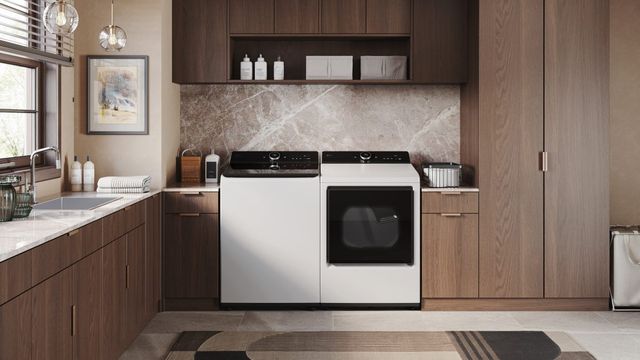
LG 7.3 Cu. Ft. Alpine White Gas Dryer
Best for: Homes with a gas hookup that want premium features at a mid-range price. This LG gas dryer has a wide-opening door that makes loading and unloading heavy baskets easier, plus an efficient drying system that delivers consistent results load after load. The Alpine White finish gives your laundry room a clean, bright look.
Top Features
- Aluminized Alloy Steel Drum: Durable, smooth drum surface that is gentle on clothes.
- LoDecibel Quiet Operation: Keeps the laundry area quiet during operation.
- Smart Diagnosis: Troubleshoot issues quickly with a smartphone app.
Shop the Speed Queen Gas Dryers
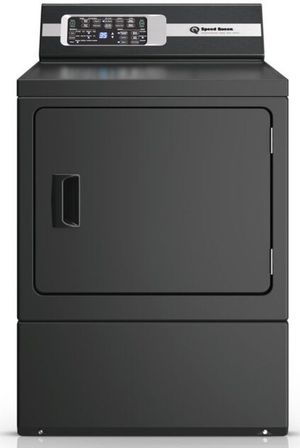
Speed Queen DR7 7.0 Cu. Ft. Matte Black Gas Dryer
Best for: Buyers who want a dryer built to last for decades. Speed Queen is known for commercial-grade durability, and the DR7 gas dryer uses heavy-duty components designed to withstand years of daily use. If you are tired of replacing dryers every few years, this is a true "buy it for life" option.
Top Features
- Commercial-Grade Construction: Heavy-duty components built for long-term durability.
- Pet Plus Cycles: Designed to help remove pet hair and odors from fabrics.
- Steam Boost: Uses steam to refresh clothes and release stubborn wrinkles.
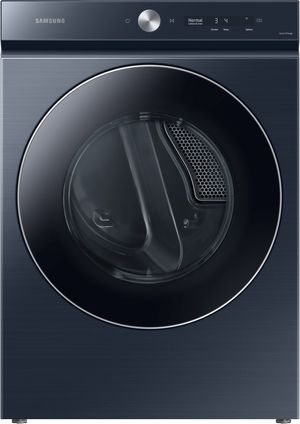
Samsung Bespoke 8900 Series 7.6 Cu. Ft. Brushed Navy Electric Dryer
Best for: Tech-savvy homeowners who want speed and style. The Bespoke 8900 Series pairs a striking brushed navy finish with AI-powered features that learn your habits and recommend cycles. Its Super Speed Dry setting can dry a full load in about 30 minutes, which is exceptionally fast for an electric dryer.
Top Features
- AI Smart Dial: Learns your preferred settings to simplify cycle selection.
- Super Speed Dry: Dries a full load in about 30 minutes.
- Steam Sanitize+: Removes 99.9% of germs and bacteria from your laundry.
Gas or Electric Dryer: Which Should You Buy?
The best dryer for your home depends on your existing hookups and how much laundry you do:
- Choose gas if your laundry room already has a gas line. Lower operating costs and faster drying usually make it the better long-term value.
- Choose electric if your home only has a 240-volt dryer outlet. Adding a gas line rarely pays off compared with buying an electric model.
- Choose a heat pump or ventless electric dryer if you can't vent outdoors or want the lowest energy use.
Still deciding? Visit a Fireside Appliance showroom to see these dryers in person, or browse our full selection online. As an independent, family-owned retailer, we offer personalized expert advice, professional local delivery and installation, and support that continues long after your purchase.
Frequently Asked Questions about Gas vs Electric Dryers
Yes, in most areas a gas dryer is cheaper to run because natural gas costs less than electricity for the same amount of drying heat. Over the life of the dryer, these savings typically offset the gas model's higher purchase price within two to five years.
No. A gas dryer plugs into a standard 120-volt outlet to power its motor and controls. It also needs a dedicated gas line with a shut-off valve and an outdoor vent. Electric dryers are the ones that require a 240-volt outlet.
Gas dryers usually dry clothes faster because the burner reaches full temperature within seconds. Electric heating coils take several minutes to warm up, so a typical electric cycle runs about 10 to 15 minutes longer.
Yes. Gas dryers typically cost $50 to $100 more than the electric version of the same model, because of the added gas valve, burner, and ignition system.
It depends on your power source. An electric dryer, especially a heat pump model, can be the greener choice if your home runs on solar or your utility uses a high share of renewable energy. Gas dryers use energy efficiently but burn fossil fuel directly in your home.
Most dryers last 10 to 15 years. Gas dryers often last slightly longer because they have fewer heating elements that burn out. Regular maintenance, such as cleaning the lint filter after every load and the vent duct at least once a year, is the biggest factor in how long any dryer lasts.
Yes. Most gas dryers are set up for natural gas at the factory, but they can run on liquid propane (LP) after a qualified technician installs the manufacturer's LP conversion kit.
No. Gas dryers must vent outdoors to safely remove moisture and combustion byproducts like carbon monoxide. If you need a ventless dryer, choose an electric condenser or heat pump model.
Why Trust Fireside Appliance?
Fireside Appliance, family-owned and operated since 1978, stands as Southern California’s premier destination for high-end kitchen appliances, luxury fireplaces, and outdoor living solutions. With over 45 years of expertise, we offer an unmatched inventory—backed by our 70,000 sq. ft. warehouse—ensuring that the latest innovations in designer appliances and professional-grade grills are always in stock and ready for your home. Built on a foundation of "treating you like family," we combine everyday discounted pricing and a 60-day price match guarantee with personalized service that spans from initial design to expert delivery and installation. Our CSLB-certified team collaborates with homeowners, builders, and design professionals to discover products that perfectly align with your budget and aesthetic, making us the reliable partner for transforming your indoor and outdoor spaces.
Shop Electric and Gas Dryers in Southern California
Fireside Appliance serves homeowners across Los Angeles, the San Fernando Valley, and the Conejo Valley with expert guidance, competitive pricing, and professional dryer delivery and installation. Call us for help choosing the best gas or electric dryer for your laundry room, or visit one of our designer showrooms in Woodland Hills, West Hollywood, Thousand Oaks, or Chatsworth today.
➜ Learn More: How to Choose the Best Top Loading Washing Machine